 Everything About
Everyday Wine
Everything About
Everyday Wine
Wine Regions of California
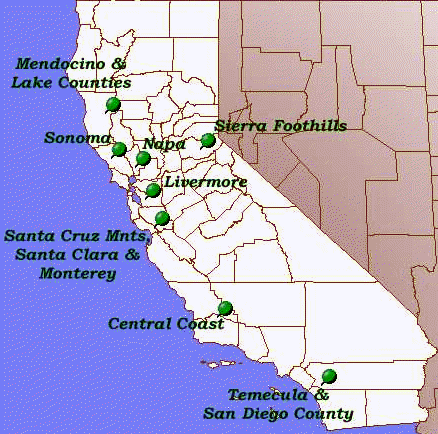
California has 5 major wine growing regions:
North Coast
> Napa, Sonoma, Mendocino, Lake County
and North Coast.
Napa is probably
California's best known wine region and home of some 300 wineries. The
valley has the ideal climates (warm sunny days and cool nights) for growing
premium grape varietals such as: Cabernet Sauvignon, Chardonnay, Zinfandel
& Pinot Noir.
Sonoma is just one hour north of San Francisco, and is home to 12 different appellations: Alexander Valley, Dry Creek, Rockpile, Knights Valley, Northern Sonoma, Sonoma Coast, Russian River Valley, Green Valley-Sonoma, Chalk Hill, Sonoma Mountain, Sonoma Valley and Carneros.
Sonoma has more than 200 wineries, and is home to the oldest winery in California just a few minutes from Sonoma Square. The largest producer of "champagne" in the U.S. is a mere hour & a half away along the Russian River.
Mendocino, the Lake Country, and the North Coast regions also produce excellent California varieties similar to Napa and Sonoma.
Central Coast
> Monterey, Paso Robles, Santa Cruz
Mountains, San Luis Obispo, Santa Barbara, Santa Clara Valley, San Francisco
Bay Area, Livermore.
Over the last several years, California's Central Coast has matured into a
region that produces world class wines. The area is full of small family-owned
wineries where you can still meet with the winemaker, while sampling
finely-crafted, award-winning wines.
Sierra
Foothills
> Amador, Calaveras, El Dorado,
Mariposa, Nevada, Tuolumne, Placer, Butte, Yuba.
Within these 8 Counties are the sub-viticultural areas of the Shenandoah
Valley, El Dorado, Fiddletown, and North Yuba.
Central
Valley
> Lodi/Woodbridge.
The Central Valley is California's agricultural heartland and is
actually 2 valleys that stretch almost 500 miles down the center of the state.
The Sacramento Valley and San Joaquin Valley are bordered on the east by
the Sierra Nevada Mountains and by the Coast Range to the west. The
total acreage under wine grape cultivation in the
Central Valley dwarfs all other California regions.
Wine with "California" on the label must contain 100% California grapes. A county designation requires that at least 75% of the grapes must be from that county. A wine with an AVA designation must contain 85% of the grapes from that AVA. A "Vineyard" designated wine must contain 95% of its grapes from that vineyard.


Information and tips for finding end enjoying everyday wines from Europe and other major wine regions:
Search the Blogs
Copyright WineNews.com 2009